
Quick Briefing
- Here's the scoop: That recent Bitcoin plunge wasn't just a random dip! It was a nasty combo of big-picture economic worries hitting a super-leveraged crypto market with thin liquidity and some whale selling, which all combined to trigger a massive, fast liquidation cascade.
- The big picture is, this painful drop was actually a necessary "leverage reset" rather than a failure of Bitcoin's long-term structure. It shows how quickly things can unwind when everyone's piled into the same trade, but it also means we've flushed out a lot of weak hands, potentially setting a healthier base if we can stabilize around the $87k-$88.5k zone.
- Heads up though: We're not out of the woods if funding rates stay stubbornly positive and open interest jumps back up too fast, especially if BTC struggles to get back above $92k-$94k. Rebuilding leverage too quickly after this kind of flush is just asking for another smackdown, so keep a sharp eye on those funding rates and overall market sentiment.
Bitcoin’s sharp dip was not random and not purely technical. It was the result of macro pressure hitting an already fragile, leveraged market, with whale activity and liquidity conditions accelerating the move. When those elements align, price does not correct slowly — it breaks.
The data makes this clear.
In the hours before the drop, Bitcoin had already started to lose momentum. Price topped around $96,600–$96,800 and then stalled. BTC spent several hours compressing between $94,800 and $96,700. Volatility dried up, upside continuation weakened, yet leverage kept building. This is usually where risk hides.
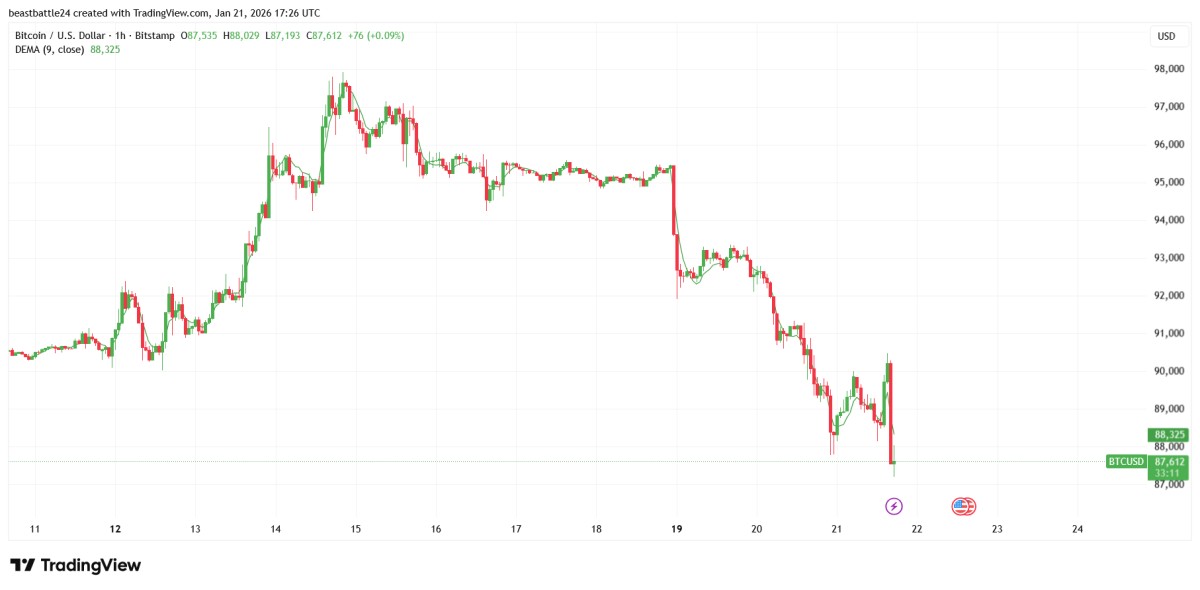
The technical failure came when BTC lost $94,000 on the 1H chart. That level had been defended multiple times and sat above a visible liquidity gap. Once it failed, price moved quickly toward the $88,000–$87,000 zone, where meaningful bids finally appeared. The speed of the move mattered more than the distance. It confirmed forced selling rather than discretionary exits.
The macro backdrop explains why support failed when it did.
First, markets were already reacting to renewed discussion around political pressure on the Federal Reserve. Comments from global policymakers warning that Fed independence is “under attack” added uncertainty around future monetary policy. For risk assets, this matters. Any hint that policy decisions could become politically influenced increases volatility expectations and reduces risk appetite.
Second, global bond markets added stress. Volatility in Japanese government bonds spiked again, pushing yields higher and reviving concerns around global liquidity conditions. When sovereign bond markets become unstable, leveraged risk assets tend to de-risk first. Crypto is usually at the front of that line.
Third, renewed US tariff rhetoric re-entered headlines. While not directly crypto-related, tariff talk feeds inflation concerns and reinforces the idea that policy easing may be delayed. That narrative works against leveraged longs that depend on stable or improving liquidity conditions.
None of these events alone caused selling in Bitcoin. But together, they removed dip buyers at the exact moment BTC lost short-term structure.
At the same time, on-chain data showed increased supply risk. Large BTC transfers moved from private wallets to centralized exchanges during the same window. One notable whale deposited roughly 2,000 BTC (around $40 million) to Binance at a realized loss. Whale deposits do not guarantee immediate selling, but in leveraged conditions they increase available supply and shift short-term risk lower. Timing matters, and this timing was poor.
The core issue remained leverage.
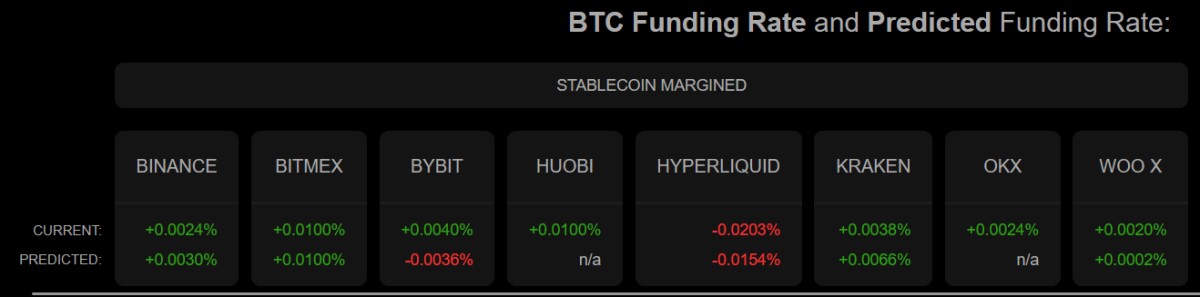
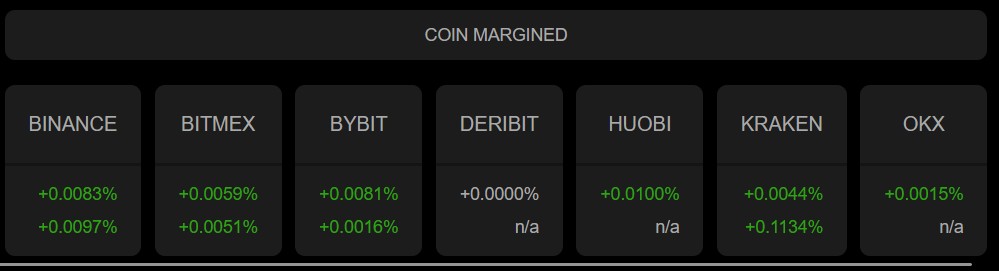
Funding rates stayed positive even as price weakened. Aggregated funding hovered near +0.0036, while predicted funding pushed toward +0.0145. Long positions continued paying to stay open despite fading momentum and weakening structure. In healthier markets, funding cools before price breaks. This time, funding stayed optimistic while risk built underneath. That imbalance left the market exposed.
Once price slipped below $94,000, liquidations took control. Estimates suggest $900 million to $1.2 billion in long positions were forcibly closed, mostly from perpetual futures. Those forced sells pushed price lower, triggering additional liquidations in a feedback loop. This is why the move was fast, vertical, and uncomfortable.
Liquidity made it worse. Below $94,000, order books were thin. Slippage increased sharply, and relatively small market sells caused outsized moves. In this environment, price does not search for fair value. It searches for liquidity, and it keeps moving until risk is cleared.
After the liquidation wave, Bitcoin stabilized in the $87,000–$88,500 range. This zone absorbed the bulk of forced selling and now acts as the first meaningful demand area below the prior range. What matters next is not whether price bounces, but whether it accepts this level. Stability with lower volatility would suggest pressure is easing. Weak rebounds while funding remains positive would imply risk is still present.
Looking forward, the logic is straightforward. For downside risk to truly ease, funding needs to move toward neutral or negative, and open interest needs to decline meaningfully from pre-drop levels. If funding stays positive while price struggles to reclaim $92,000–$94,000, the market remains vulnerable to further downside. If leverage resets properly, volatility should compress and price should stabilize.
This was not a failure of Bitcoin’s long-term structure. Long-term holders did not panic, and there was no broad distribution from spot investors. What failed was positioning. Macro uncertainty removed support, whale activity increased supply risk, and persistent positive funding kept leverage crowded.
The chart showed where the break happened.
Macro events explained why buyers stepped back.
Funding explained why the move accelerated.
From here, the path forward depends on whether the market respects the leverage reset — or tries to rebuild the same risk too early.
#BTC #CryptoMarket #BitcoinAnalysis #BTCPrice #CryptoDerivatives #FundingRates #MarketStructure #Liquidations #OnChainData #WhaleActivity #MacroEconomics #FedWatch #RiskAssets #CryptoResearch

About Meow Alert
Crypto analyst and researcher with 13k+ followers on Binance Square. Focused on on-chain data and market structure.