
Crypto Bitcoin Macro Stocks ETF DeFi

Trump Loses Tariff Power: Why This Could Trigger the Next Crypto Bull Run

Meow Alert
Meow Alert
@dorazombiiee
1d ago
3
... min
Trump Loses Tariff Power: Why This Could Trigger the Next Crypto Bull Run

Quick Briefing

  • Here's the scoop: The Supreme Court just majorly clipped Trump's wings, ruling he can't unilaterally impose massive tariffs using emergency powers without Congress. This instantly took a huge chunk of policy uncertainty off the table that was making investors super cautious.
  • The big picture is a massive liquidity injection potentially heading our way. We're talking anywhere from $133 billion to $175 billion in tariff money that companies might now keep instead of sending to the government. That's like 6-7% of the entire crypto market cap, freeing up capital, weakening the dollar (which is usually bullish for risk assets!), and setting the stage for improving financial conditions that could trigger the next crypto bull run. Bitcoin and equities already reacted positively!
  • Now, don't go full ape mode just yet. While this is a huge structural positive, Trump might still try to find alternative tariff measures, so some uncertainty remains. Plus, this isn't an instant flood; it's a foundational shift that supports gradual, sustained growth, not an immediate moon mission.

On February 20, 2026, the US Supreme Court made a decision that quietly changed the liquidity outlook across global markets. The Court ruled 6-3 that Donald Trump’s use of emergency powers to impose broad global tariffs was not legally valid. The key issue was whether the president could apply sweeping tariffs without Congress under emergency authority. The Court concluded that this kind of tariff action requires legislative approval. That decision immediately removed a major source of uncertainty that had been weighing on companies, investors, and capital flows.
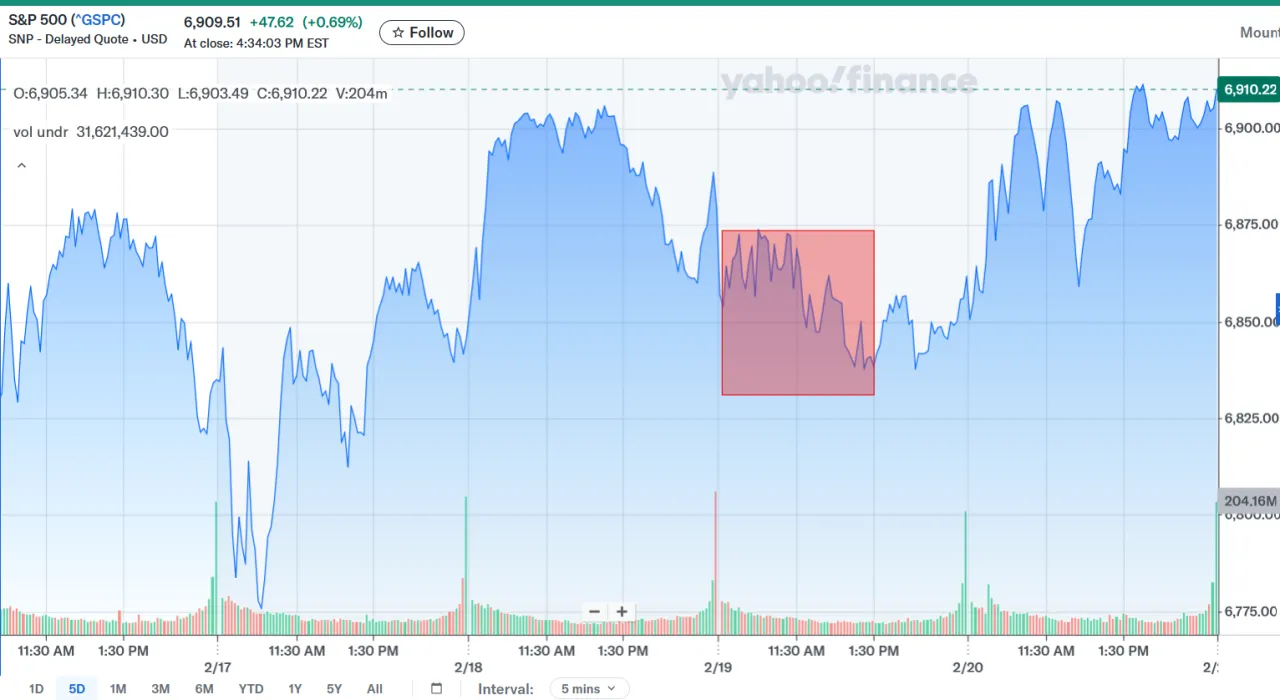
The hearing process itself had already started affecting markets before the final decision. S&P 500 chart shows that on February 19, during the final hearing phase, the index dropped from around 6,880 to 6,830. That 0.7% decline reflects hesitation from institutional investors. Tariffs directly reduce corporate profit margins, so as long as the legality of those tariffs remained uncertain, investors were cautious. Large funds prefer to wait for clarity rather than increase exposure when policy risk is unresolved.
Research Image
Source: Yahoo Finance

Once the ruling was announced on February 20, the reaction was immediate. The S&P 500 reversed direction and climbed to around 6,909. That move placed the index above its pre-hearing level and confirmed that investors viewed the ruling as positive for capital stability. Equity markets reflect institutional behavior, and this recovery showed that large investors began adjusting their positions after the risk of continued tariff enforcement declined.
Sponsored

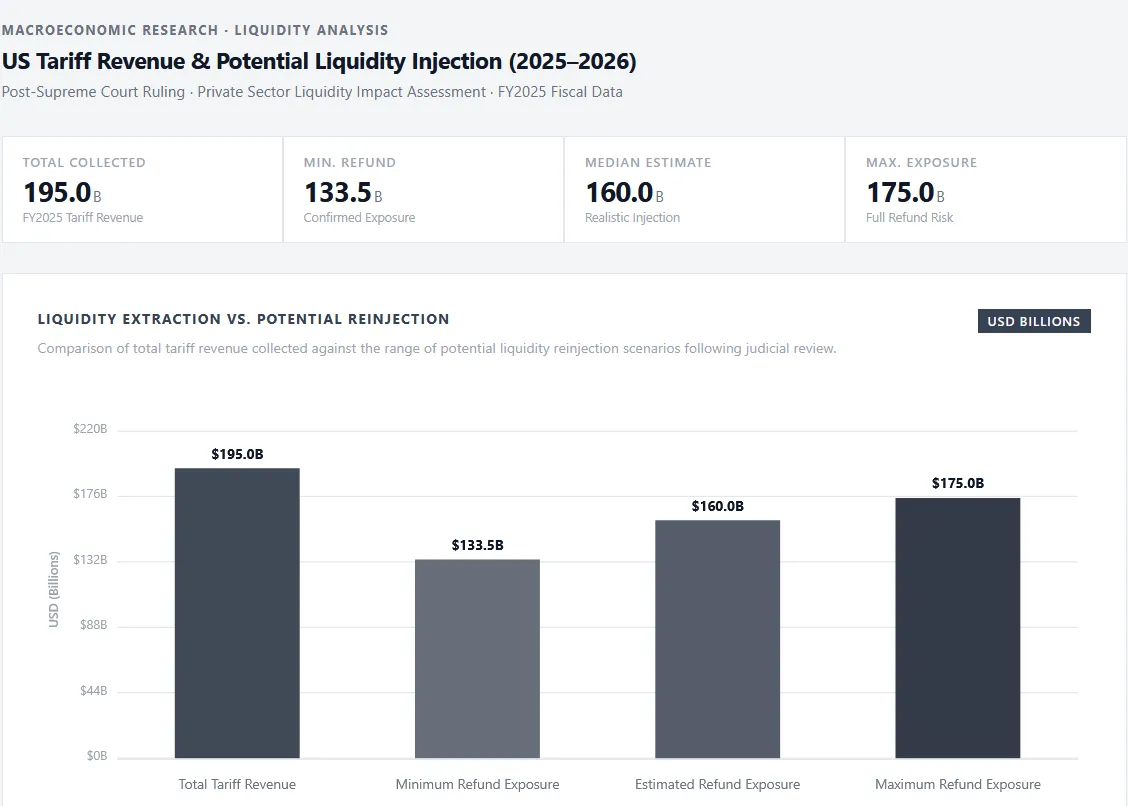
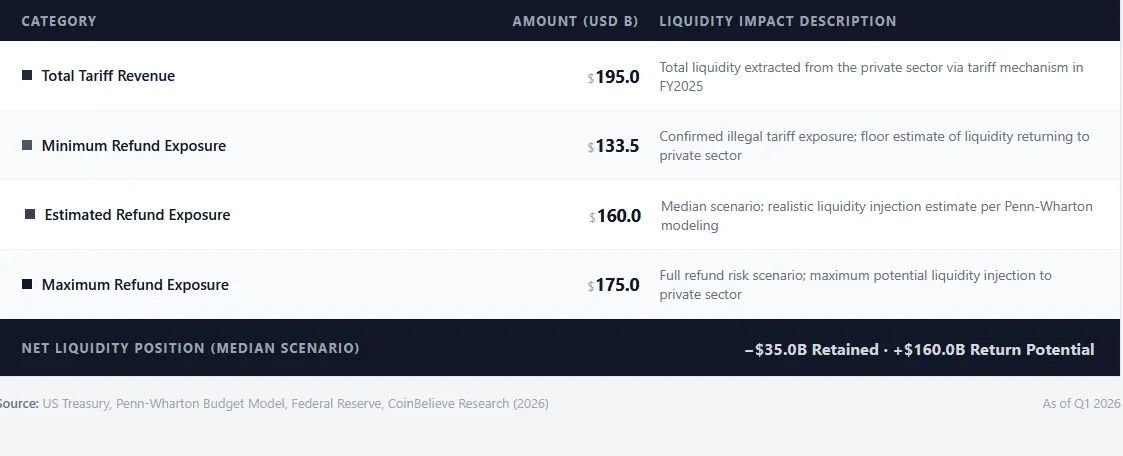
The liquidity impact behind this decision is significant. Liquidity chart shows that the US government collected about $195 billion in tariff revenue in fiscal year 2025. Out of that amount, at least $133.5 billion is now considered subject to refund exposure, with realistic estimates around $160 billion and maximum exposure near $175 billion.
Research Image
Research Image

This matters because tariffs do not just regulate trade—they remove money from companies. When companies lose that capital, they have less available for expansion, investment, or allocation into financial markets. Removing that pressure improves the financial position of businesses and investors.
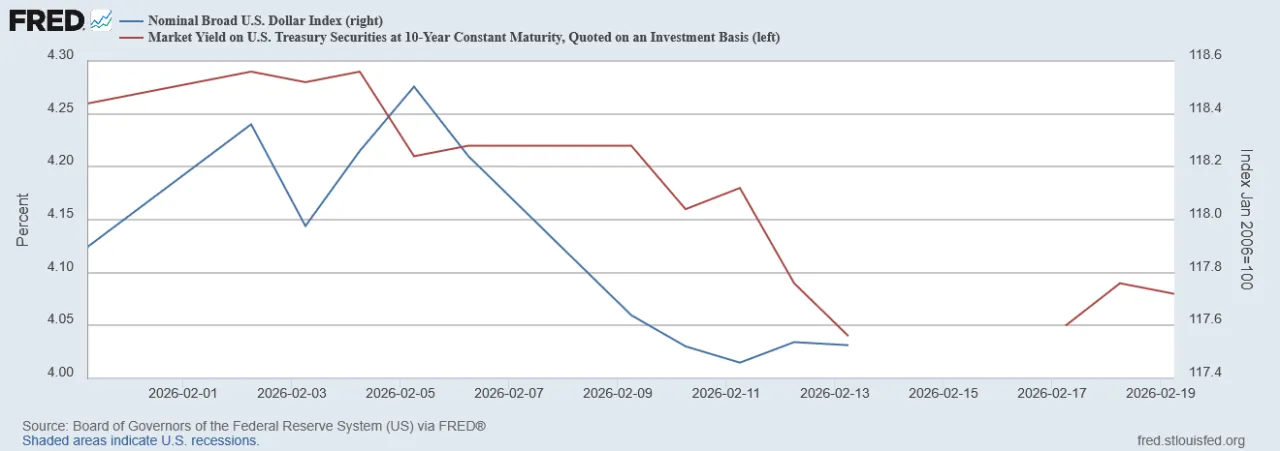

The dollar index provides another important signal. US DXY chart shows the dollar falling from about 118.4 in early February to around 117.5 by February 19.
Research Image
Source: FRED

This decline means demand for the dollar weakened. When the dollar weakens, it usually reflects improving global liquidity conditions. Investors become more willing to move capital into assets with higher growth potential. This shift supports equities and crypto, both of which depend heavily on capital availability.
Research Image
Source: https://tradingview.com/chart/peOjf9dh/?symbol=BITSTAMP%3ABTCUSD

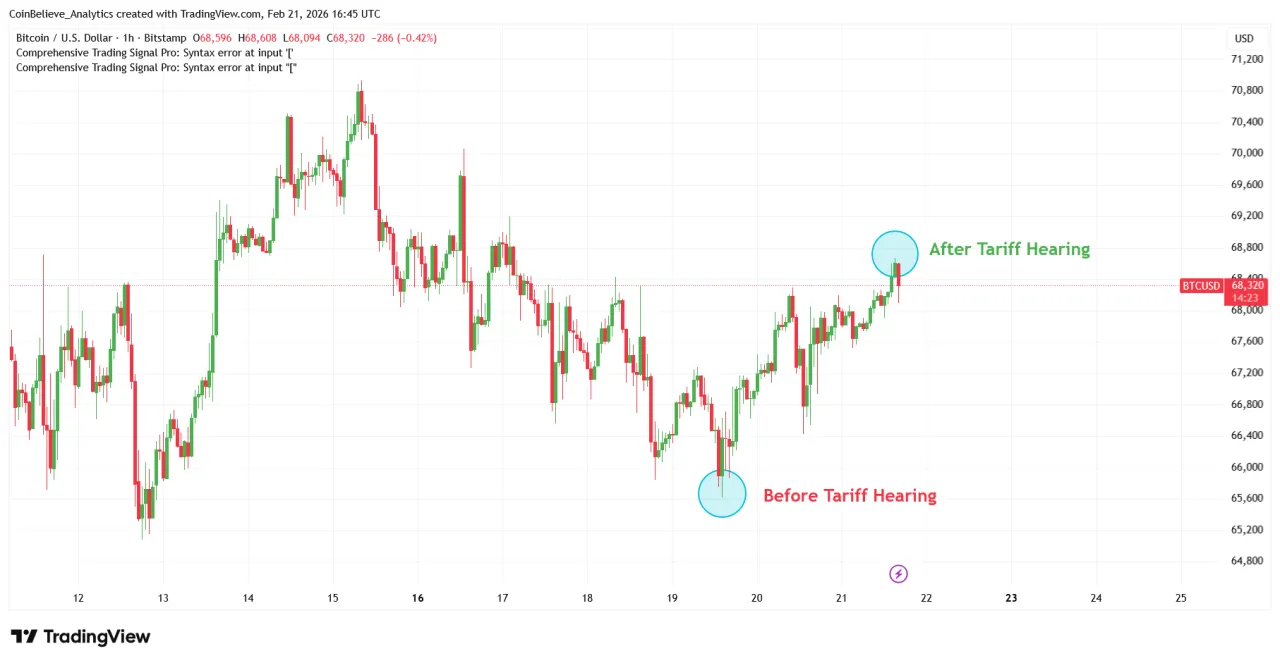
Bitcoin’s price action followed the same pattern. Bitcoin chart shows BTC dropping to around $65,400 before the ruling, then recovering to about $68,300 afterward. That is a gain of roughly $2,900, or about 4.4%. This recovery happened at the same time equities stabilized and the dollar remained weak. This alignment confirms that Bitcoin was responding to improving liquidity conditions, not moving randomly.
Sponsored
The logic is simple. Tariffs pull money out of the private sector and send it to the government. When that happens, there is less capital available for investment. When tariffs are removed or invalidated, that pressure stops. Companies retain more capital, investors face less policy risk, and financial conditions improve. Markets respond quickly to changes in these conditions because liquidity drives asset prices.
Research Image
Source: TradingView

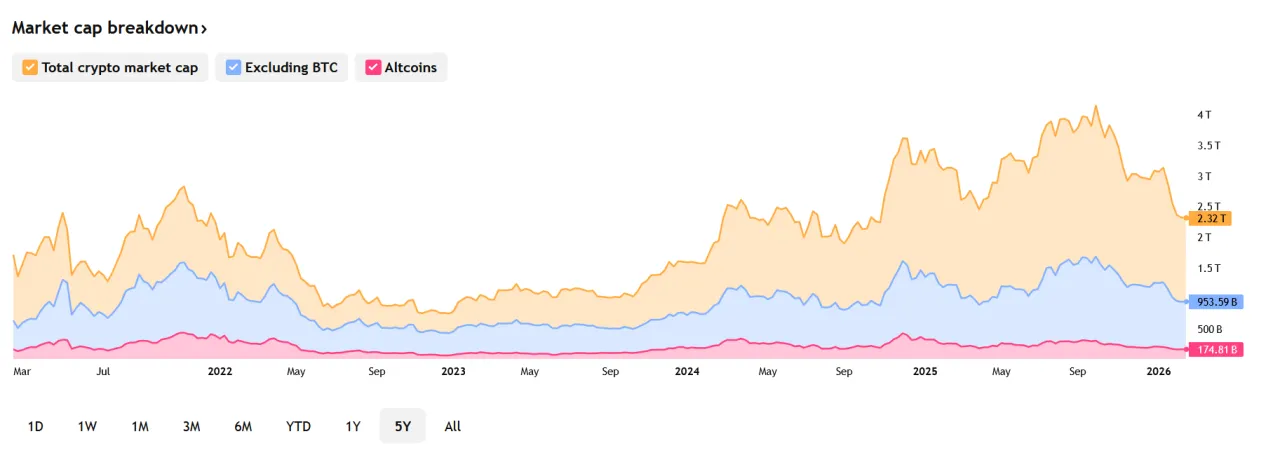
The scale of potential liquidity impact is significant. With refund exposure ranging from $133.5 billion to $175 billion, the ruling affects an amount equal to roughly 6% to 7% of the entire crypto market cap. Liquidity shifts of this magnitude historically influence risk asset performance. Even partial liquidity normalization can improve capital availability across financial markets

It is also important to understand how sentiment plays a role. Markets move based on expectations, not just current conditions. Once the Supreme Court removed the legal foundation for those tariffs, investors began adjusting their outlook. This is why equities recovered and Bitcoin stabilized quickly. Even before capital fully returns to the system, removing uncertainty helps balance prices and supports gradual upward movement.
This does not mean prices will rise instantly or continuously. Trump indicated he may pursue alternative tariff measures, which means some uncertainty remains. But the structural change is clear. The Supreme Court has limited the ability to impose large tariffs without congressional approval. That makes future liquidity conditions more predictable and reduces the risk of sudden capital extraction.
All charts show the sequence clearly. Before the ruling, markets weakened due to uncertainty. After the ruling, equities recovered, the dollar remained under pressure, and Bitcoin rebounded. This pattern confirms that financial markets were reacting to a shift in liquidity expectations.
Crypto bull markets do not start because of a single headline. They start when liquidity conditions stop getting worse and begin improving. This Supreme Court decision removed a major source of liquidity pressure. The early reaction across equities, the dollar, and Bitcoin suggests markets have already begun adjusting to that change.

#Bitcoin #Crypto #Liquidity #SupremeCourt #MacroEconomics #CryptoMarkets #BTC #Tariffs #Trump

RESEARCH · Saturday, February 21, 2026 · 12:26 PM CoinBelieve Intelligence Vol. 2026 · res_6999eabf4dbde6.85615773
Research

CoinBelieve

Crypto · Bitcoin · Macro · Stocks · ETF · DeFi  |  Est. Read: min  |  3 Reads

Trump Loses Tariff Power: Why This Could Trigger the Next Crypto Bull Run

⚡ Quick Briefing
  • Here's the scoop: The Supreme Court just majorly clipped Trump's wings, ruling he can't unilaterally impose massive tariffs using emergency powers without Congress. This instantly took a huge chunk of policy uncertainty off the table that was making investors super cautious.
  • The big picture is a massive liquidity injection potentially heading our way. We're talking anywhere from $133 billion to $175 billion in tariff money that companies might now keep instead of sending to the government. That's like 6-7% of the entire crypto market cap, freeing up capital, weakening the dollar (which is usually bullish for risk assets!), and setting the stage for improving financial conditions that could trigger the next crypto bull run. Bitcoin and equities already reacted positively!
  • Now, don't go full ape mode just yet. While this is a huge structural positive, Trump might still try to find alternative tariff measures, so some uncertainty remains. Plus, this isn't an instant flood; it's a foundational shift that supports gradual, sustained growth, not an immediate moon mission.

On February 20, 2026, the US Supreme Court made a decision that quietly changed the liquidity outlook across global markets. The Court ruled 6-3 that Donald Trump’s use of emergency powers to impose broad global tariffs was not legally valid. The key issue was whether the president could apply sweeping tariffs without Congress under emergency authority. The Court concluded that this kind of tariff action requires legislative approval. That decision immediately removed a major source of uncertainty that had been weighing on companies, investors, and capital flows.

The hearing process itself had already started affecting markets before the final decision. S&P 500 chart shows that on February 19, during the final hearing phase, the index dropped from around 6,880 to 6,830. That 0.7% decline reflects hesitation from institutional investors. Tariffs directly reduce corporate profit margins, so as long as the legality of those tariffs remained uncertain, investors were cautious. Large funds prefer to wait for clarity rather than increase exposure when policy risk is unresolved.

Source: Yahoo Finance

Once the ruling was announced on February 20, the reaction was immediate. The S&P 500 reversed direction and climbed to around 6,909. That move placed the index above its pre-hearing level and confirmed that investors viewed the ruling as positive for capital stability. Equity markets reflect institutional behavior, and this recovery showed that large investors began adjusting their positions after the risk of continued tariff enforcement declined.


The liquidity impact behind this decision is significant. Liquidity chart shows that the US government collected about $195 billion in tariff revenue in fiscal year 2025. Out of that amount, at least $133.5 billion is now considered subject to refund exposure, with realistic estimates around $160 billion and maximum exposure near $175 billion.

This matters because tariffs do not just regulate trade—they remove money from companies. When companies lose that capital, they have less available for expansion, investment, or allocation into financial markets. Removing that pressure improves the financial position of businesses and investors.


The dollar index provides another important signal. US DXY chart shows the dollar falling from about 118.4 in early February to around 117.5 by February 19.

Source: FRED

This decline means demand for the dollar weakened. When the dollar weakens, it usually reflects improving global liquidity conditions. Investors become more willing to move capital into assets with higher growth potential. This shift supports equities and crypto, both of which depend heavily on capital availability.

Source: https://tradingview.com/chart/peOjf9dh/?symbol=BITSTAMP%3ABTCUSD

Bitcoin’s price action followed the same pattern. Bitcoin chart shows BTC dropping to around $65,400 before the ruling, then recovering to about $68,300 afterward. That is a gain of roughly $2,900, or about 4.4%. This recovery happened at the same time equities stabilized and the dollar remained weak. This alignment confirms that Bitcoin was responding to improving liquidity conditions, not moving randomly.

The logic is simple. Tariffs pull money out of the private sector and send it to the government. When that happens, there is less capital available for investment. When tariffs are removed or invalidated, that pressure stops. Companies retain more capital, investors face less policy risk, and financial conditions improve. Markets respond quickly to changes in these conditions because liquidity drives asset prices.

Source: TradingView

The scale of potential liquidity impact is significant. With refund exposure ranging from $133.5 billion to $175 billion, the ruling affects an amount equal to roughly 6% to 7% of the entire crypto market cap. Liquidity shifts of this magnitude historically influence risk asset performance. Even partial liquidity normalization can improve capital availability across financial markets

It is also important to understand how sentiment plays a role. Markets move based on expectations, not just current conditions. Once the Supreme Court removed the legal foundation for those tariffs, investors began adjusting their outlook. This is why equities recovered and Bitcoin stabilized quickly. Even before capital fully returns to the system, removing uncertainty helps balance prices and supports gradual upward movement.
This does not mean prices will rise instantly or continuously. Trump indicated he may pursue alternative tariff measures, which means some uncertainty remains. But the structural change is clear. The Supreme Court has limited the ability to impose large tariffs without congressional approval. That makes future liquidity conditions more predictable and reduces the risk of sudden capital extraction.
All charts show the sequence clearly. Before the ruling, markets weakened due to uncertainty. After the ruling, equities recovered, the dollar remained under pressure, and Bitcoin rebounded. This pattern confirms that financial markets were reacting to a shift in liquidity expectations.
Crypto bull markets do not start because of a single headline. They start when liquidity conditions stop getting worse and begin improving. This Supreme Court decision removed a major source of liquidity pressure. The early reaction across equities, the dollar, and Bitcoin suggests markets have already begun adjusting to that change.

#Bitcoin #Crypto #Liquidity #SupremeCourt #MacroEconomics #CryptoMarkets #BTC #Tariffs #Trump

© 2026 CoinBelieve · All Rights Reserved · coinbelieve.com
Newspaper Mode
Success