

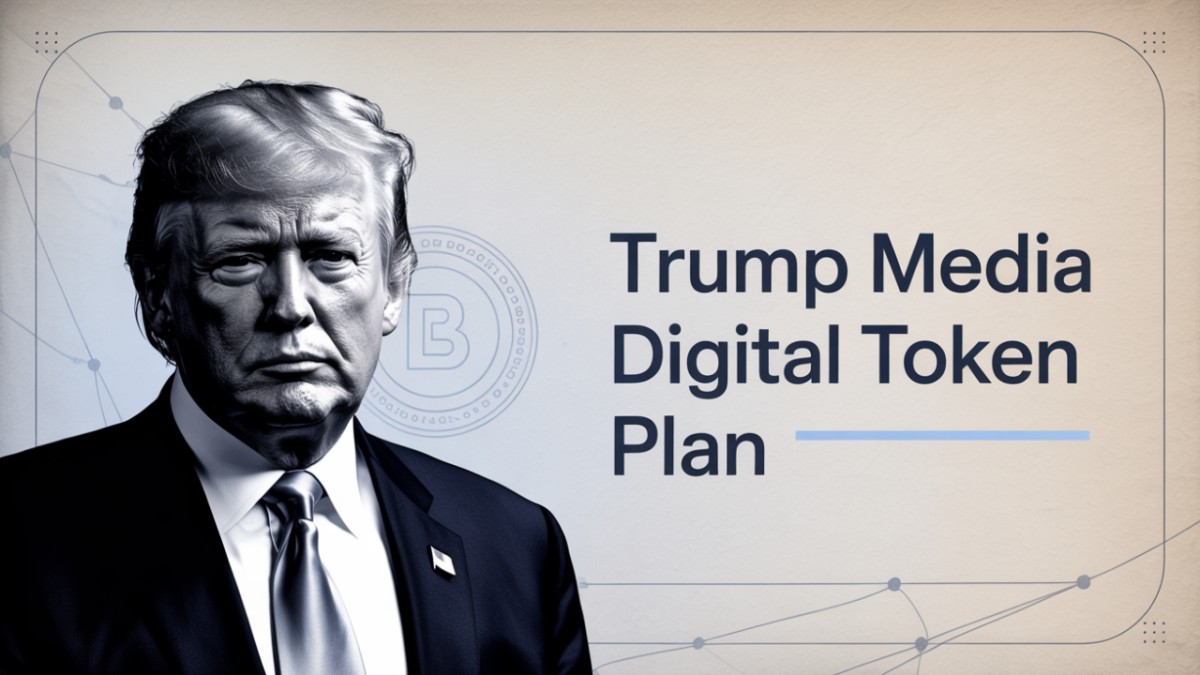
Tying a token directly to shareholders changes how it functions. Distribution is limited to an existing ownership base, which means the company controls who receives it and under what conditions. That structure naturally reduces speculative behavior and keeps the focus on participation rather than price action. It also suggests the token has been designed with compliance and internal controls in mind from the start.
From a corporate strategy angle, this reflects how blockchain is starting to be used inside traditional companies. Instead of launching tokens to raise capital, firms are experimenting with digital assets as a way to connect with shareholders, manage access, or build digital features around existing equity structures. Even if the first version is simple, the foundation allows for future expansion without major structural changes.
The market response so far has been measured. There has been interest, but no signs of the kind of volatility that usually follows speculative crypto launches. That indicates the announcement is being viewed as a structural update rather than a short-term trading event.
Overall, this development shows how digital assets are slowly being integrated into established business models. It may not produce immediate market effects, but it provides a clear example of how blockchain is moving beyond experimentation and into practical, controlled use cases.