
Quick Briefing
- Here's the scoop: Crypto's current market action isn't due to its own problems. It's almost entirely driven by big macro stuff like a super strong US dollar, high bond yields, and the Fed pushing back rate cut expectations.
- The big picture is, these strong macro headwinds are keeping crypto prices in a tight range. A firm dollar and attractive bond yields reduce demand for riskier assets like Bitcoin, meaning ETF investors are making tactical, intermittent buys rather than gearing up for a full-blown accumulation phase.
- So, what to watch out for? Don't expect a big breakout until the US dollar weakens significantly, Treasury yields start falling, and we get clearer signals for easier monetary policy. Until then, treat occasional ETF inflows as short-term positioning within a choppy market, and expect altcoins to generally lag.
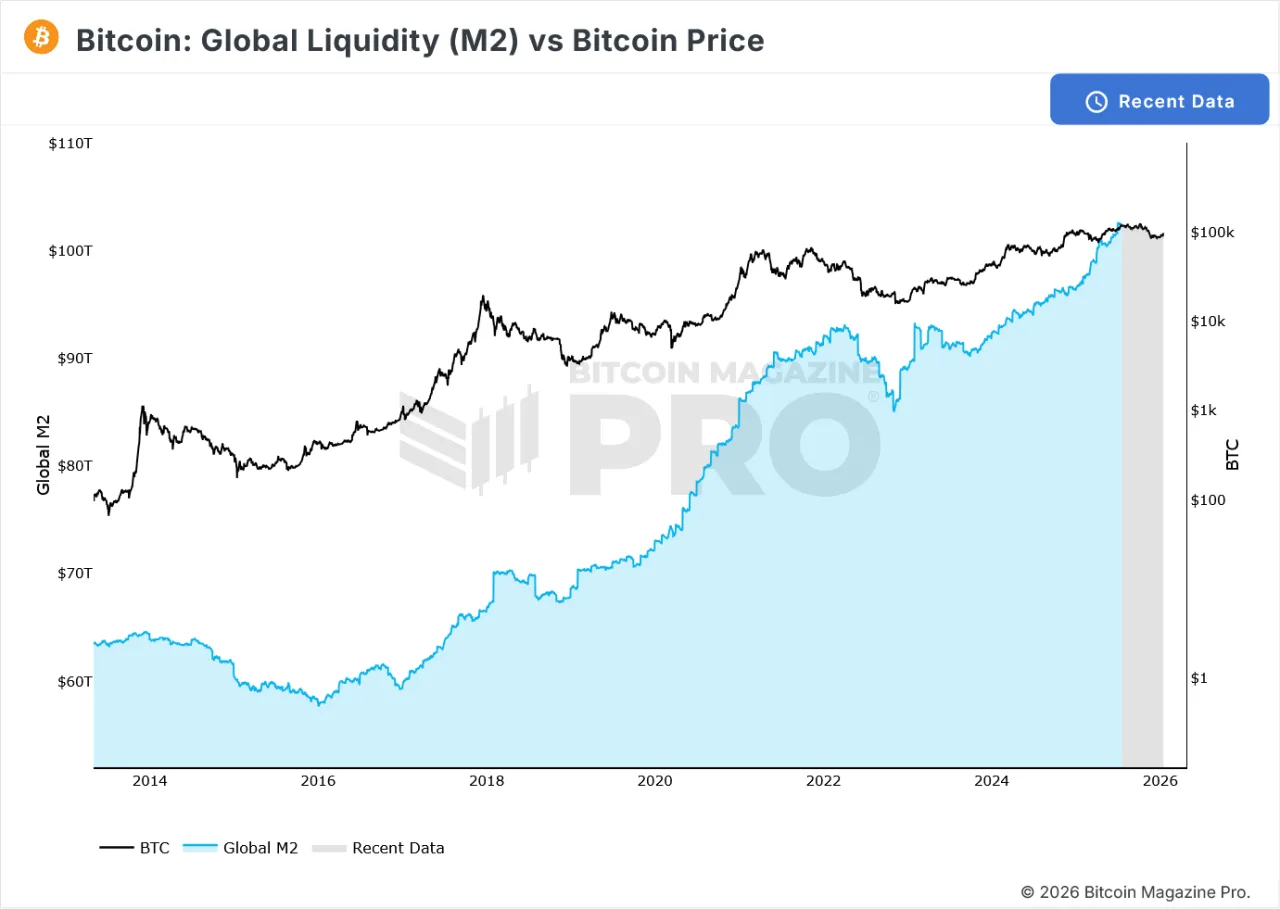
February market structure is being driven primarily by macroeconomic conditions and institutional capital behavior rather than internal weaknesses within the digital asset ecosystem. Network activity remains stable, infrastructure continues to function normally, and there is no evidence of systemic stress inside crypto markets. Price behavior is best explained by the interaction between U.S. dollar strength, elevated Treasury yields, delayed rate-cut expectations, constrained global liquidity, and the positioning of spot Bitcoin ETF investors.
A key development during the last few sessions has been the renewed firmness in the U.S. Dollar Index (DXY). The index has rebounded back toward the 97–98 zone after recent consolidation, supported by resilient U.S. economic data and reduced expectations for near-term rate cuts. This move in DXY matters because a rising dollar tightens global financial conditions and mechanically pressures dollar-priced assets such as Bitcoin. Historically, sustained crypto uptrends have coincided with falling or weakening dollar cycles. February is showing the opposite structure.
ETF Flows and What They Signal
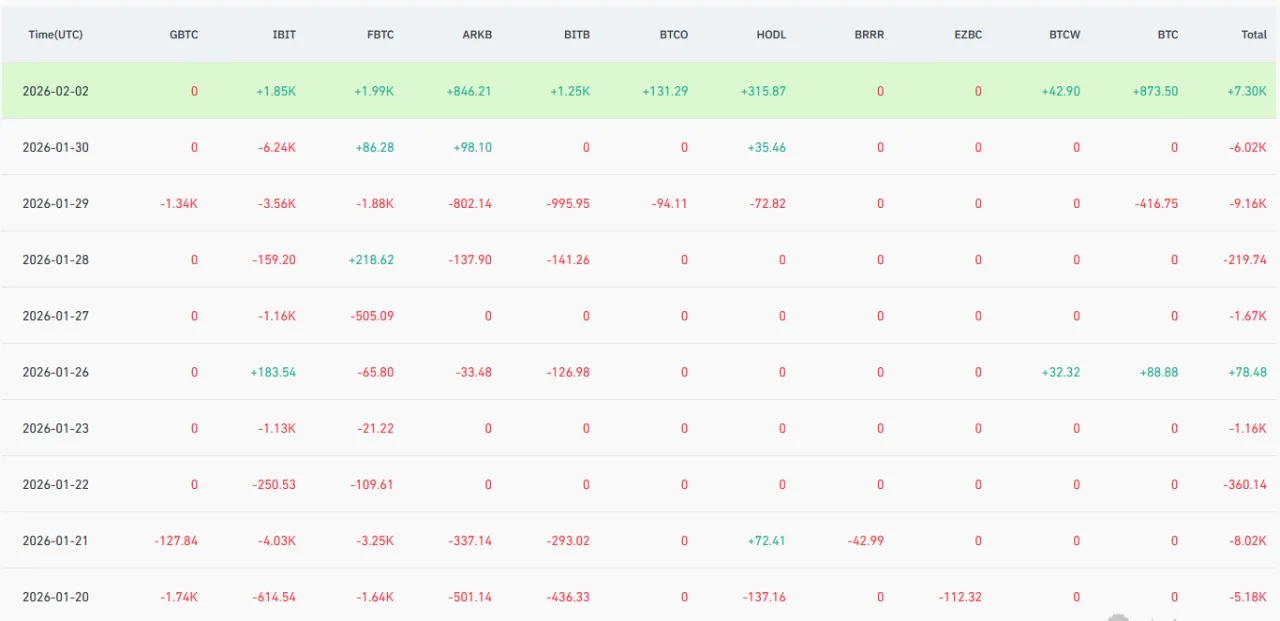
On February 2, the pattern shifted. Aggregate data shows approximately +7.3K BTC equivalent in net inflows, with meaningful positive contributions from IBIT, FBTC, ARKB, BITB, and HODL. This represents the first broad positive ETF session after a series of negative days. The importance of this shift lies in its timing. ETF investors tend to respond to macro stabilization rather than short-term price patterns. The inflow appeared after price stabilized following a liquidation-driven decline, Treasury yields stopped accelerating higher, and DXY paused its advance.
Dollar Strength and Treasury Yields as Core Constraints
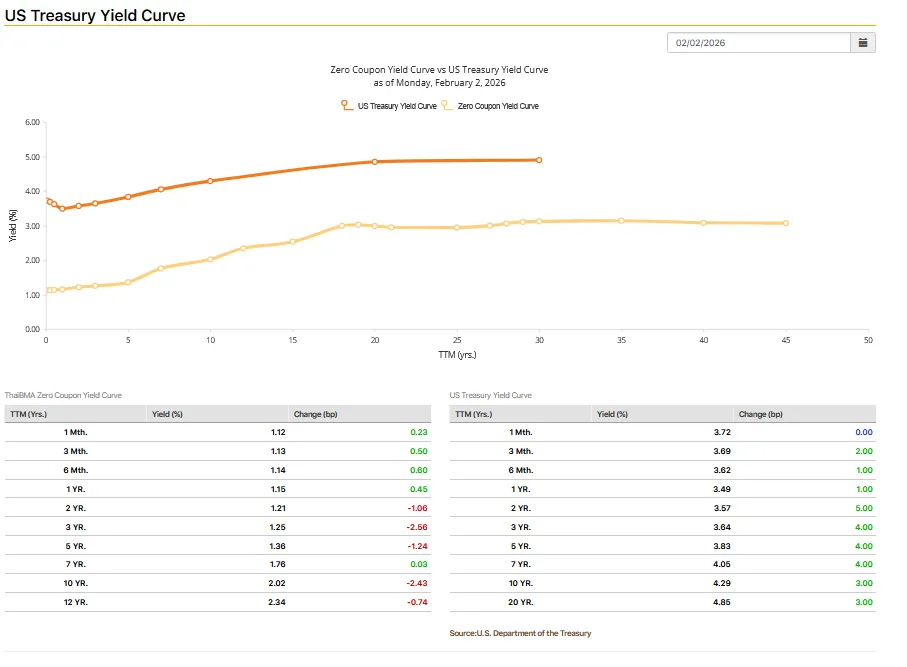
Dollar strength remains a central constraint. A firm DXY tightens global financial conditions, increases the relative attractiveness of cash and dollar-denominated instruments, and suppresses upside in risk assets. When the dollar rises, global capital naturally shifts toward safety and liquidity rather than speculation.
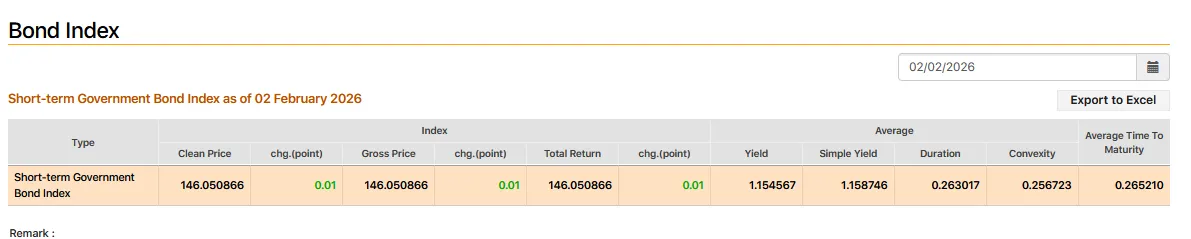
Elevated Treasury yields reinforce this effect. The 10-year yield remains in the mid-4% area, while long-duration Treasuries approach the upper-4% range. These levels materially raise the opportunity cost of holding non-yielding assets such as Bitcoin. When investors can earn 4%–5% in government bonds with relatively low risk, incremental capital becomes more selective. This does not force liquidation of crypto positions, but it reduces new demand, leading to range-bound price action and weaker follow-through on rallies.
Rate Expectations, Policy Outlook, and Liquidity
February Base Case
Final Perspective

About Meow Alert
Crypto analyst and researcher with 13k+ followers on Binance Square. Focused on on-chain data and market structure.