Quick Briefing
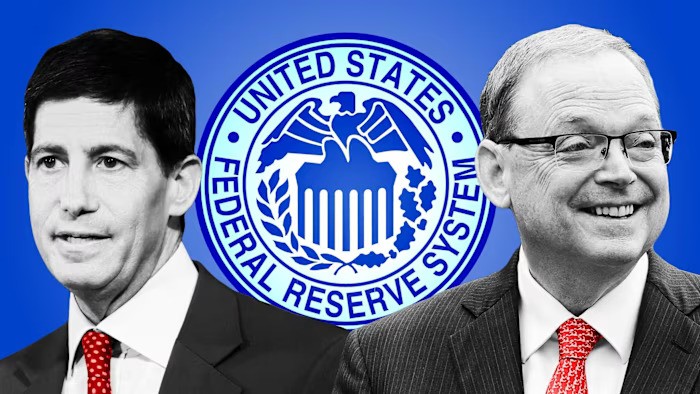
- Here's the scoop: Donald Trump's recent comments about Kevin Hassett staying in the White House, not moving to the Fed, just triggered a massive, data-confirmed shift in who markets think will chair the Federal Reserve. Kevin Warsh is now the clear front-runner, with his odds jumping to around 60% on prediction markets, pushing out Hassett who crypto folks generally liked.
- The big picture is, this matters for crypto because it means markets are now expecting a potentially tighter but significantly more predictable Federal Reserve. While we might see some short-term volatility as expectations for rapid rate cuts dim, a clear, consistent policy, even if less dovish, could actually be a good thing long-term for digital assets, as unpredictability has historically been crypto's biggest enemy.
- So, what to watch out for? Expect some short-term turbulence across risk assets, including crypto, as everyone adjusts to a less dovish Fed path. However, the report highlights that this is a reallocation, not a panic. The real game-changer moving forward will be how inflation, employment, and overall market liquidity data evolve, which ultimately dictate market direction regardless of who's leading the Fed.
Unlock Full Analysis
You've reached the end of the preview. Join CoinBelieve to read the rest of this report and access exclusive crypto intelligence.

About Meow Alert
Crypto analyst and researcher with 13k+ followers on Binance Square. Focused on on-chain data and market structure.
Intelligence Stream
Europe’s Rate Hike Signal: A Liquidity Shift That Crypto Markets Are Underestimating
Trump Loses Tariff Power: Why This Could Trigger the Next Crypto Bull Run
Bitcoin Accumulation Has Stopped: ETF Outflows and Whale Activity Signal Market Shift
CoinBelieve
Fed Chair Odds Shift After Trump Signal — What the Data Says and Why Crypto Reacted
⚡ Quick Briefing
- Here's the scoop: Donald Trump's recent comments about Kevin Hassett staying in the White House, not moving to the Fed, just triggered a massive, data-confirmed shift in who markets think will chair the Federal Reserve. Kevin Warsh is now the clear front-runner, with his odds jumping to around 60% on prediction markets, pushing out Hassett who crypto folks generally liked.
- The big picture is, this matters for crypto because it means markets are now expecting a potentially tighter but significantly more predictable Federal Reserve. While we might see some short-term volatility as expectations for rapid rate cuts dim, a clear, consistent policy, even if less dovish, could actually be a good thing long-term for digital assets, as unpredictability has historically been crypto's biggest enemy.
- So, what to watch out for? Expect some short-term turbulence across risk assets, including crypto, as everyone adjusts to a less dovish Fed path. However, the report highlights that this is a reallocation, not a panic. The real game-changer moving forward will be how inflation, employment, and overall market liquidity data evolve, which ultimately dictate market direction regardless of who's leading the Fed.
Unlock Full Analysis
You've reached the end of the preview. Join CoinBelieve to read the rest of this report and access exclusive crypto intelligence.
"Crypto analyst and researcher with 13k+ followers on Binance Square. Focused on on-chain data and market structure...."
View Full Profile →Europe’s Rate Hike Signal: A Liquidity Shift That Crypto Markets Are Underestimating
16 reads · Mar 26, 2026
Trump Loses Tariff Power: Why This Could Trigger the Next Crypto Bull Run
25 reads · Feb 21, 2026
Bitcoin Accumulation Has Stopped: ETF Outflows and Whale Activity Signal Market Shift
16 reads · Feb 17, 2026
Crypto DeFi Bitcoin Solana Ethereum Macro
Wallet Required
You need an active CBX Wallet to send tips. Please create or restore one in your dashboard.