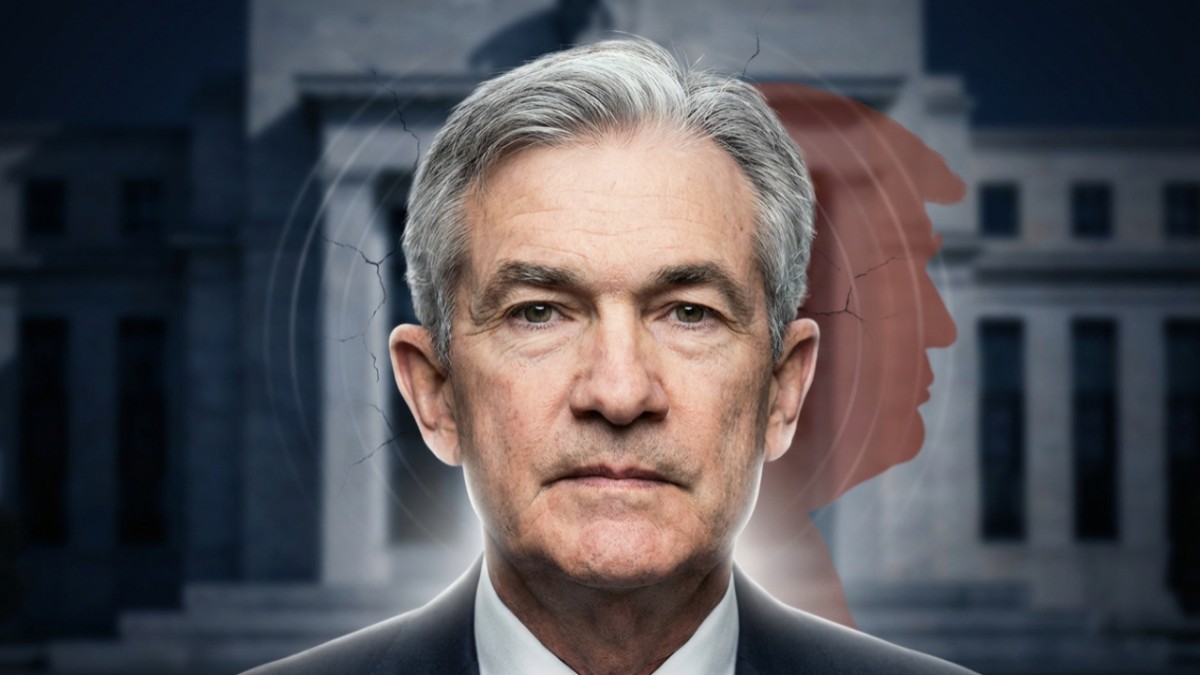
Quick Briefing
- Here's the scoop: The Federal Reserve's independence, which is sacred in markets, is under serious pressure. It started with 'higher for longer' rates, turned into political accusations, and now there's actual legal heat with the Department of Justice issuing subpoenas to Fed Chair Powell over a building renovation. This isn't just background noise anymore; it's a full-blown institutional risk.
- Why this matters for us: Markets freak out when they smell political interference in central banking because it erodes trust, historically leading to inflation and instability. Both Fed officials and global central bankers are publicly defending their independence, which tells you how serious this is. For crypto, this means more volatility, potential deleveraging across risk assets (including BTC/ETH), and likely increased demand for stablecoins as people seek shelter.
- Key risk or things to watch: We need to keep a close eye on how this legal process plays out – any further developments on potential criminal charges will be huge. Also, watch for more public comments from the Fed or other global policymakers. On the data side, changes in rate-cut expectations, bond market volatility, and crypto funding rates will be our early warning signals for how sentiment is shifting.
What markets are reacting to right now didn’t start with one headline. It built up slowly, then crossed a line. Once that happened, investors stopped treating it as background noise.
This situation matters because markets care deeply about trust in institutions. When that trust looks even slightly shaken, prices move before any official decision is made.
How the tension really began
The story goes back to 2024 and 2025. During that period, the Federal Reserve kept interest rates higher for longer than many expected. The policy rate stayed in the 5.25% to 5.50% range even as inflation cooled.
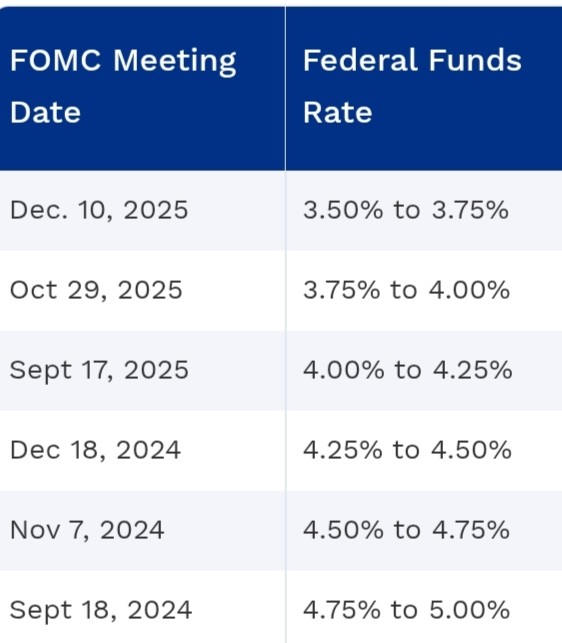
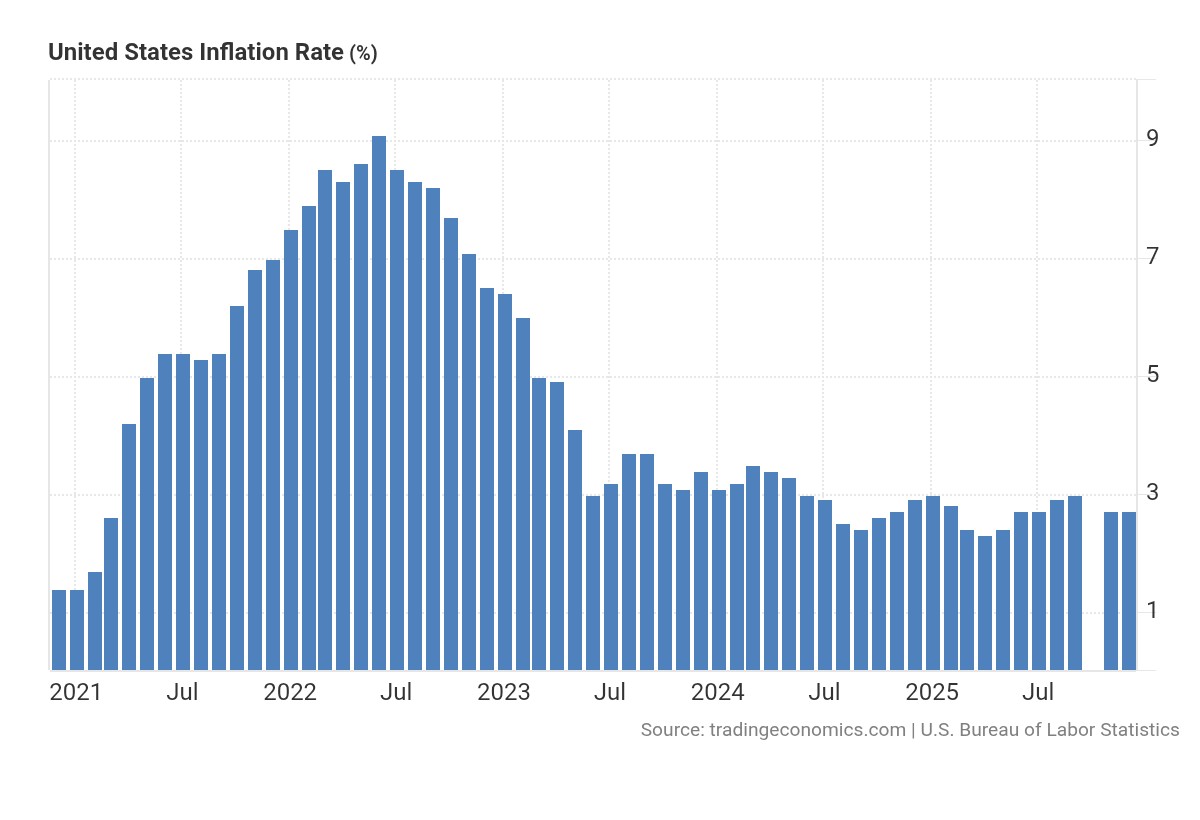
Inflation was coming down, but not cleanly. Core inflation stayed sticky, growth slowed, and pressure mounted for faster rate cuts. As criticism grew louder, the tone started to change. Fed decisions were no longer debated mainly as technical calls. They were increasingly framed as political choices.
That shift in tone is important. Once monetary policy becomes a political argument, markets start paying closer attention.
The testimony that changed the conversation
In mid-2025, Fed Chair Jerome Powell appeared before the Senate Banking Committee. During the hearing, lawmakers questioned the Federal Reserve’s headquarters renovation project.
The numbers involved were not complicated. The project was initially estimated at about 1.9 billion dollars around 2022. By 2025, updated figures placed the cost closer to 2.5 billion dollars. That implied an increase of roughly 600 million dollars, with completion expected around 2027.
One detail often overlooked is that the renovation is paid for through Federal Reserve operating revenue, not taxpayer funds. Even so, this testimony later became the basis for legal scrutiny.
When criticism turned into legal pressure
In early January 2026, the Department of Justice issued grand jury subpoenas to the Federal Reserve connected to Powell’s Senate testimony. Powell confirmed this publicly and acknowledged that the subpoenas carried the risk of criminal charges tied to alleged misstatements.
This moment changed how markets viewed the situation. Political criticism is common. Legal pressure on a sitting Fed Chair is not. At that point, investors stopped treating the issue as commentary and started treating it as institutional risk.
Why the Fed’s response stood out
After the subpoenas became public, senior Federal Reserve officials responded in a way that caught attention. They did not talk about rates or the economy. Instead, they publicly defended Powell’s integrity and stressed the importance of central bank independence.
That kind of response is rare. The Fed usually avoids public defence of individuals. When officials choose to speak together, it suggests they believe the institution itself is under strain.
Why voices outside the US stepped in
Soon after, central bankers from outside the United States began weighing in. Their warning was straightforward. Undermining the independence of the Federal Reserve risks higher inflation expectations and weaker market stability.
Foreign central banks typically avoid US domestic disputes. Their involvement signaled concern about global spillover rather than local politics, which raised the stakes.
How markets reacted in practice
Market moves following the headlines reflected uncertainty rather than panic. US equity futures weakened after the investigation news. Gold prices moved higher as investors looked for safety. Treasury yields became more volatile during the day, and the dollar traded unevenly.
None of these moves were driven by a rate decision or new guidance. They were reactions to credibility risk.
Why independence matters in the real world
History explains why markets behave this way. In the 1970s, political pressure on US monetary policy contributed to delayed tightening and lasting inflation. In more recent emerging-market examples, repeated interference with central banks has often gone hand in hand with currency weakness and rising prices.
Markets do not wait for independence to disappear. They react when it looks vulnerable.
What this means for crypto
For crypto markets, this episode is not about calling a top or bottom. It is about volatility. When macro confidence weakens, leveraged positions tend to unwind first. Bitcoin and Ethereum often move alongside broader risk assets, while stablecoin demand rises as traders step back.
That pattern has shown up many times before during periods of policy stress.
What to watch from here
The next phase depends on how the legal process develops and whether more public comments follow from the Fed or global policymakers. Changes in rate-cut expectations, bond market volatility, and crypto funding rates will offer early clues about how sentiment is shifting.
Closing
This situation is not really about a building project or one person. It is about whether markets continue to trust that US monetary policy operates without political or legal pressure.
The fact that Fed officials and global central bankers felt the need to say this out loud is the real signal. Markets heard it, and prices adjusted.

About Meow Alert
Crypto analyst and researcher with 13k+ followers on Binance Square. Focused on on-chain data and market structure.
Intelligence Stream
BTC Near $80K — Data Shows Liquidity Build, But Macro Is Holding It Back
21 Reads
Author Update
Europe’s Rate Hike Signal: A Liquidity Shift That Crypto Markets Are Underestimating
22 Reads
Author Update
Trump Loses Tariff Power: Why This Could Trigger the Next Crypto Bull Run
29 Reads
Author Update
📢 Official Announcement — CoinBelieve Monetization Is Live
56 Reads
Most Viewed